
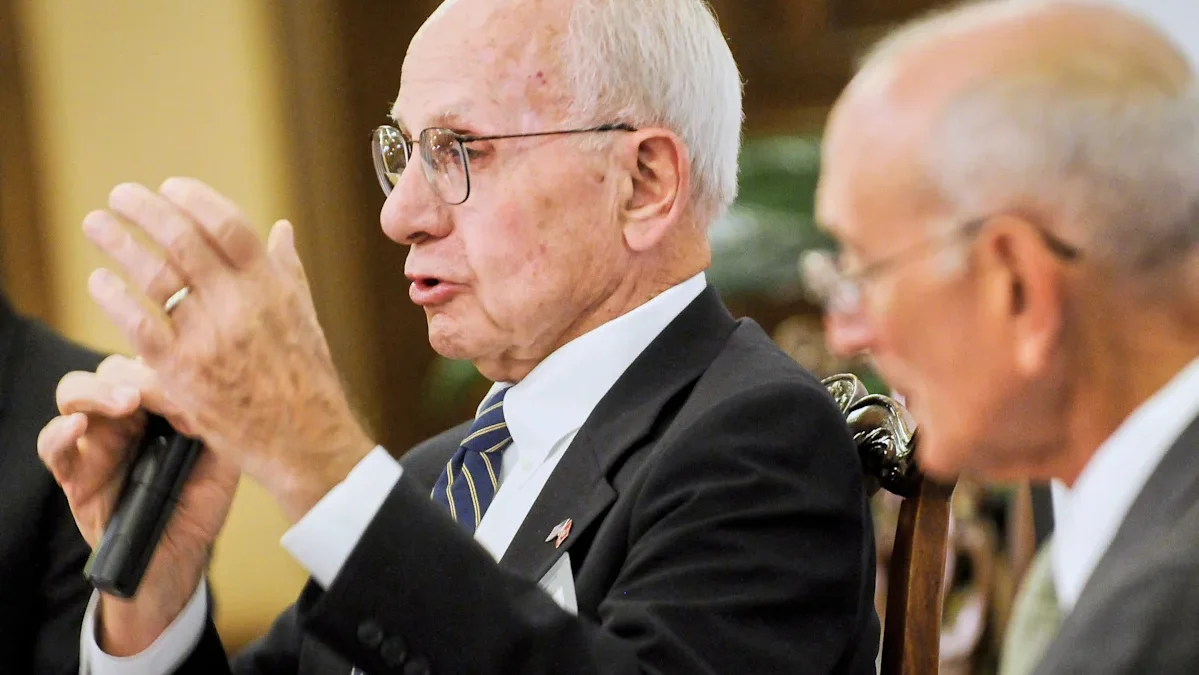
David Samuel Doty was an American federal judge who served as a United States District Judge in the District of Minnesota for nearly four decades, was the presiding judge in significant cases involving the NFL’s obligations to retired players, and was known on the federal bench for the independence and thoroughness that characterised his approach to the cases before him across one of the longest tenures in the district’s history. He died on 22 June 2026 at the age of 96, having served actively as a senior judge well into his nineties.
He was born on 6 October 1929 in Minnesota and received his legal education before pursuing a career in private practice and government service in the state. He was appointed to the United States District Court for the District of Minnesota by President Ronald Reagan in 1987, receiving the lifetime tenure that Article III judges hold under the Constitution’s guarantee of judicial independence. The federal district courts handle the trial level of federal judicial proceedings across the full range of civil and criminal federal law, from immigration matters to major commercial litigation to civil rights claims to complex criminal prosecutions involving federal statutes, and the judges who serve on them preside over the consequential legal decisions that shape the practical meaning of federal law in their jurisdictions.
He served as Chief Judge of the District of Minnesota from 1993 to 2000, holding administrative responsibility for the functioning of the court alongside the judicial responsibility of hearing and deciding cases. He became a senior judge in 2000, a status that allows federal judges who meet age and service requirements to reduce their caseloads while remaining active on the bench, and he continued to hear cases and maintain a judicial workload in his senior status across more than two decades, an extended active service that reflected both the fitness that allowed him to continue working at that age and the court’s need for experienced judicial capacity in a busy district.
Among the cases most associated with his judicial career was his long-running oversight of litigation involving the National Football League’s management of its pension and benefits obligations to retired players. He issued multiple rulings across the years of that litigation that were critical of the NFL’s handling of financial obligations to former players who had suffered physical injuries in the course of professional careers that generated the revenues on which the modern NFL was built, and he ordered improvements in the treatment of retired athletes that reflected his reading of the league’s contractual and ethical obligations. His willingness to hold a major commercial institution to account for those obligations, in the face of considerable institutional resistance from the most powerful sports league in the United States, was cited in tributes after his death as an example of the judicial independence that lifetime tenure enables and that service on the federal bench at its best produces. He was 96 years old.