
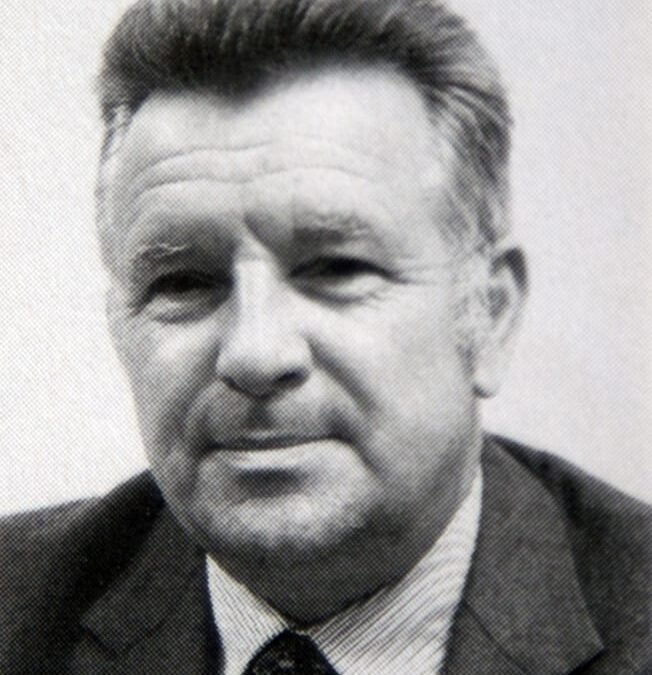
Pierre de Chastonay died on September 16, 2026. He was 95.
The Swiss lawyer and Christian Democratic Party (PDC) politician spent two decades in public service, first in the Grand Council of Valais from 1969 to 1977, then in the National Council from 1975 to 1987. He represented the canton of Valais in the federal parliament for twelve years.
De Chastonay was born in Sierre on June 20, 1931. His father, Joseph de Chastonay, was also a politician. The family name carried weight in Valais, a conservative Catholic canton where the PDC dominated for generations.
He studied law at the University of Geneva. He also attended the Centre européen universitaire de Nancy, the interdisciplinary institute in northeastern France that trained a generation of European administrators and jurists in the postwar years.
In 1961, he married Maria Pia Valenti. The couple had one daughter, Francesca.
His career in the Grand Council of Valais began in 1969. Eight years in the cantonal legislature preceded his move to Bern, where he took a seat in the National Council in 1975. He held that seat until 1987.
De Chastonay also chaired the Pro Rawyl association, the group that advocates for the Rawyl pass region in the Valais Alps. The pass, which connects the Rhone valley to the Val d'Anniviers, has been a subject of infrastructure debates for decades.
His death comes as the PDC, which he served for most of his political life, no longer exists under that name. The party merged with the evangelical and civic movements in 2021 to form The Centre, a realignment that folded the old Christian Democratic identity into a broader centrist coalition.
De Chastonay belonged to the generation of Swiss politicians who came of age in the postwar boom. He entered the National Council in 1975, the year Switzerland's women finally gained the right to vote in federal elections, a change that had taken effect only four years earlier. The country he represented in Bern was still a place where the old Catholic conservative networks, families like the de Chastonays, held firm control over the mountain cantons.
His father's political career set the path. Joseph de Chastonay served in the same institutions, and Pierre followed him into law and public office. The pattern was common in Valais, where political dynasties and family law firms often ran in parallel.
He was 95. He had outlived most of his colleagues from the National Council years, the 1970s and 1980s era of Swiss consensus politics when the Federal Council ran on a permanent grand coalition and the parliament in Bern moved slowly and deliberately.
The Pro Rawyl association, which he chaired, continues to press for improved access to the Rawyl region. The pass road has been a recurring issue in Valais politics, with proposals to build a tunnel or upgrade the existing route debated for years. De Chastonay's role in that association tied his legal and political careers to a specific place, a specific valley, a specific set of local concerns.
His daughter Francesca survives him. His wife Maria Pia Valenti, whom he married in 1961, had died earlier.
The funeral arrangements have not been announced.
According to Dead-People.