
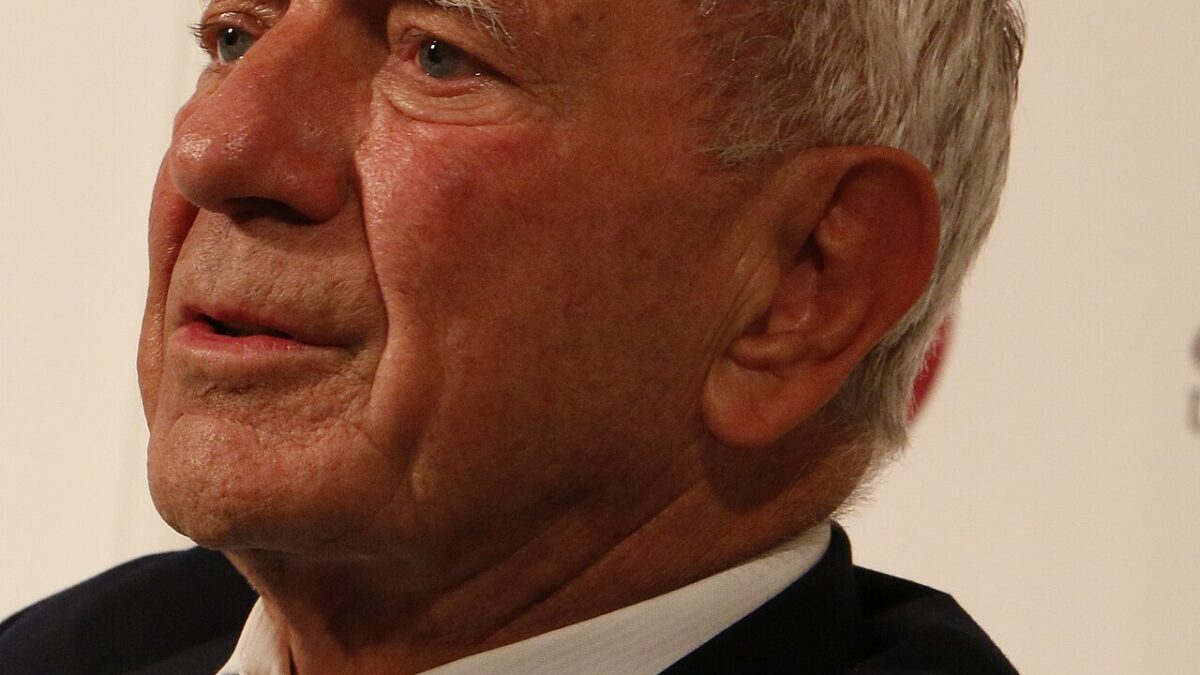
In August 1955 Milan Panić, a champion cyclist, left Yugoslavia for a race in the Netherlands and did not come back. Thirty-seven years later he returned as prime minister, and within months he was running for the Serbian presidency against Slobodan Milošević.
Panić died on September 24, 2026, in Pasadena, California. He was 96. Some reports gave his age as 97; he was born on December 20, 1929.
Partisan and cyclist
Panić was born in Belgrade. At 14 he joined the Partisans fighting in the Second World War. After the war he studied biochemistry in Belgrade and became Yugoslavia’s national cycling champion, competing abroad and serving as an Olympic team alternate.
He defected with his wife, Jelica, in Austria while travelling to a tournament in the Netherlands. After time in a West German refugee camp and a place in a doctoral programme at Heidelberg, he resettled in Fontana, California, in 1956, working at Kaiser Steel and in laboratories at the University of Southern California.
ICN Pharmaceuticals
In 1959 he founded ICN Pharmaceuticals with $200, working out of a garage near Los Angeles. The company listed on the New York Stock Exchange in 1967. In 1972 it discovered ribavirin, an antiviral approved by US regulators in 1985 as Virazole. At its height ICN sold more than $672 million worth of drugs a year in 90 countries. In 1991 it bought 75 per cent of Galenika, Yugoslavia’s largest drugmaker.
Panić’s business career was also marked by legal disputes. A Securities and Exchange Commission investigation into stock sales between 1995 and 1998 ended without charges. ICN settled four sexual harassment suits during the 1990s, and in 2002 settled an SEC civil case over misleading statements about a product. He retired as chief executive and chairman that year, and the company was renamed Valeant in 2003.
Prime minister
As Yugoslavia broke apart, President Dobrica Ćosić of the new Federal Republic of Yugoslavia, made up of Serbia and Montenegro, invited Panić to become prime minister. He took office on July 14, 1992, also serving as defence minister, while war raged and international sanctions bit. In September 1992 he addressed the United Nations General Assembly in what became known as his “Speech of Peace”.
In December 1992, still prime minister, he ran against Milošević for the presidency of Serbia as an independent with opposition backing. He won about 32 per cent of the vote and lost. He left office on February 9, 1993.
Later years
Panić went back to business, founding MP Biomedicals, which he agreed to sell to a Chinese company in 2015. He remained an advocate of the Dayton Accords, signed in November 1995. His marriage to the opera singer Milena Kitić ended in divorce.
He spent less than seven months in office, after decades in the United States.