
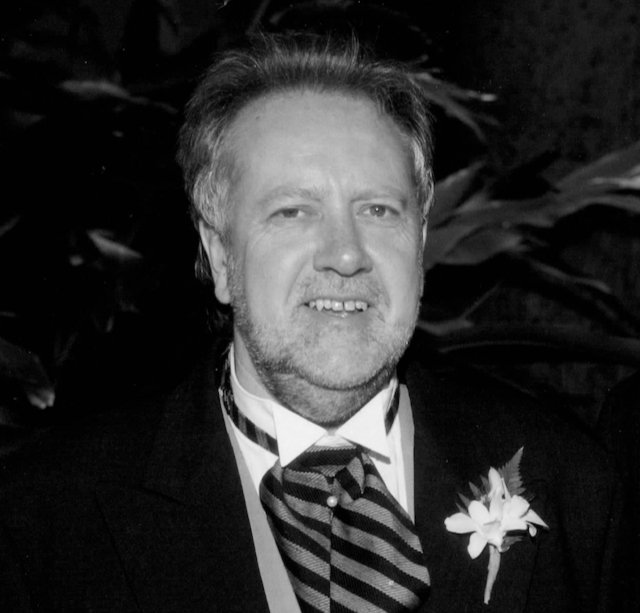
Ian Crafford was a British film editor who worked in the British and American film industries across a career of more than five decades, earned a BAFTA nomination for his editing of John Boorman’s Hope and Glory, cut Field of Dreams for which he received an ACE Eddie Award nomination, and had as his earliest professional formation an apprenticeship at Elstree Studios under the mentorship of the legendary editor Anne Coates. He died of cancer at his home in Brazil on 22 July 2026 at the age of 82.
He was born Ian Charles Crafford on 11 June 1944 in Hemel Hempstead, Hertfordshire. He began his career at Elstree Studios at the age of seventeen, entering the film industry through the traditional apprenticeship pathway that trained British editors through practical work on actual productions and through close observation of experienced practitioners. He worked under Anne Coates, the editor whose career encompassed Lawrence of Arabia, Becket, The Elephant Man, and Out of Sight, and whose technical precision, sense of rhythm, and ability to serve the director’s vision made her one of the most admired film editors in the industry’s history. Learning the craft from Coates at Elstree gave him a foundation built at the highest standard of the British film industry during one of its most creatively productive eras.
He worked in sound effects on Monty Python and the Holy Grail in 1975, one of the most enduringly celebrated British comedies, placing him at a formative moment in British film comedy’s international recognition. His subsequent editing work took him across a range of serious dramatic and commercial productions in both the United Kingdom and the United States, developing the versatile professional range that sustained a long career across the changing technology and practices of the editing suite. He edited Hope and Glory in 1987, John Boorman’s autobiographical film about a young boy’s experience of the London Blitz during the Second World War, which received widespread critical acclaim, was nominated for the Academy Award for Best Picture, and won the BAFTA Award for Best British Film. His editing of the film received a BAFTA nomination in recognition of the contribution his work made to one of the most technically and emotionally precise British films of the decade.
He edited Field of Dreams in 1989, the Kevin Costner fantasy drama in which an Iowa farmer builds a baseball diamond on his land in response to a mysterious voice, and which received an Academy Award nomination for Best Picture. His editing work on the film was recognised with a nomination for the ACE Eddie Award, the prize awarded by American Cinema Editors for outstanding achievement in film editing. Field of Dreams became one of the most popular and beloved American films of the 1980s, its story of sport, memory, and redemption resonating with audiences in a way that gave it a lasting cultural presence beyond its initial commercial reception. He spent his later years living in Brazil, having made a life outside the British and American film industry centres in the final chapter of his career. He was 82 years old.