
If you have watched a whale surface in The Blue Planet or a snow leopard climb in Planet Earth, you have heard George Fenton’s music. The British composer, who scored David Attenborough’s best-known natural history series and films from Gandhi to Groundhog Day, died in London on Monday, October 5, 2026. He was 76. His family said the death was unexpected.
From theatre to Gandhi
Fenton was born George Howe in 1949 and began as an actor and guitarist before turning to composing for the theatre, including the Royal Shakespeare Company and the National Theatre. His breakthrough in film came with Richard Attenborough’s Gandhi in 1982, whose score he wrote with Ravi Shankar. It brought the first of his five Oscar nominations. The others were for Cry Freedom, Dangerous Liaisons, The Fisher King and The Madness of King George, a run that made him one of the most sought-after composers in British film.
Hollywood and Ken Loach
He worked in two very different worlds. In Hollywood he scored comedies and romances, including Groundhog Day, You’ve Got Mail and Sweet Home Alabama. In Britain he was the long-time composer for Ken Loach, writing restrained scores for Land and Freedom, The Wind That Shakes the Barley and I, Daniel Blake, films whose music rarely calls attention to itself. He also returned to Attenborough for Shadowlands, scored the wartime drama Memphis Belle, and wrote for Nicholas Hytner’s films, from The Madness of King George to The History Boys and The Lady in the Van, carrying a theatre partnership onto the screen. His range ran from period drama to romantic comedy without a recognisable signature, which is why so few people knew how much of their favourite films he had written.
The sound of the natural world
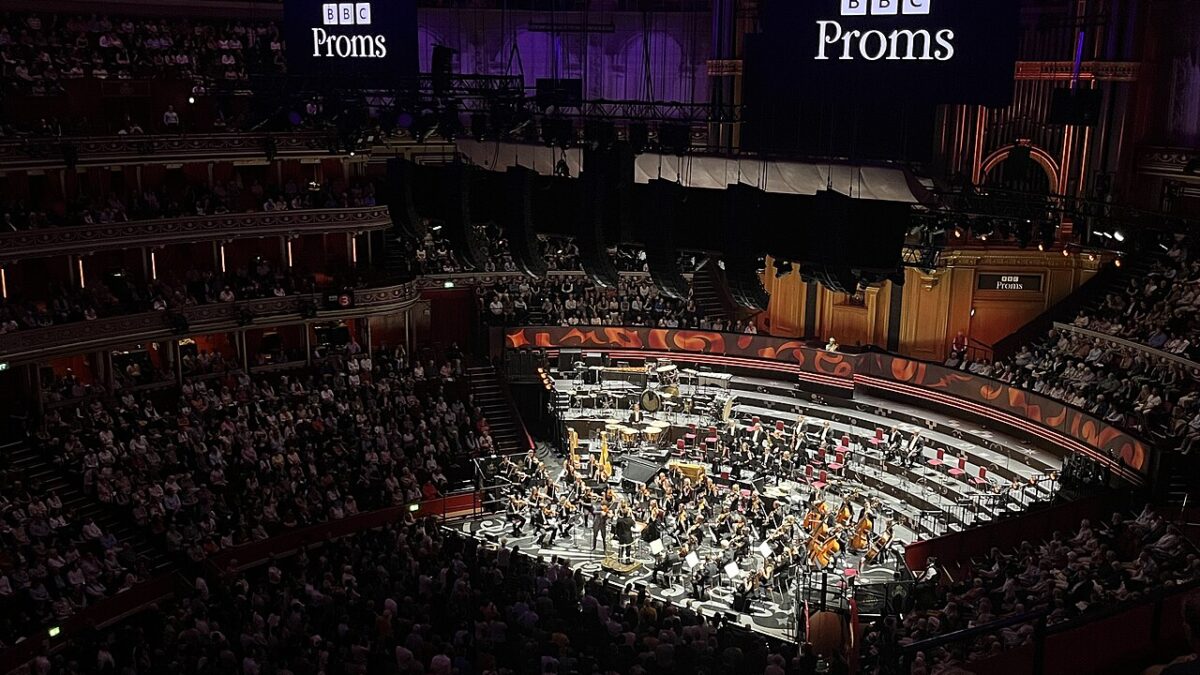
Fenton’s longest partnership was with the BBC Natural History Unit. He scored The Trials of Life, The Blue Planet, Planet Earth, Frozen Planet, Life and Wild Isles, and conducted orchestras playing the music live alongside the footage in concert halls around the world. Euronews described him as the composer behind Attenborough’s Earth trilogy. His scores won Emmy and BAFTA awards and became, for many viewers, inseparable from the pictures.
Fenton’s natural history scores were heard by television audiences around the world, and most of the people who know his music by heart have never seen his name on a film poster.