
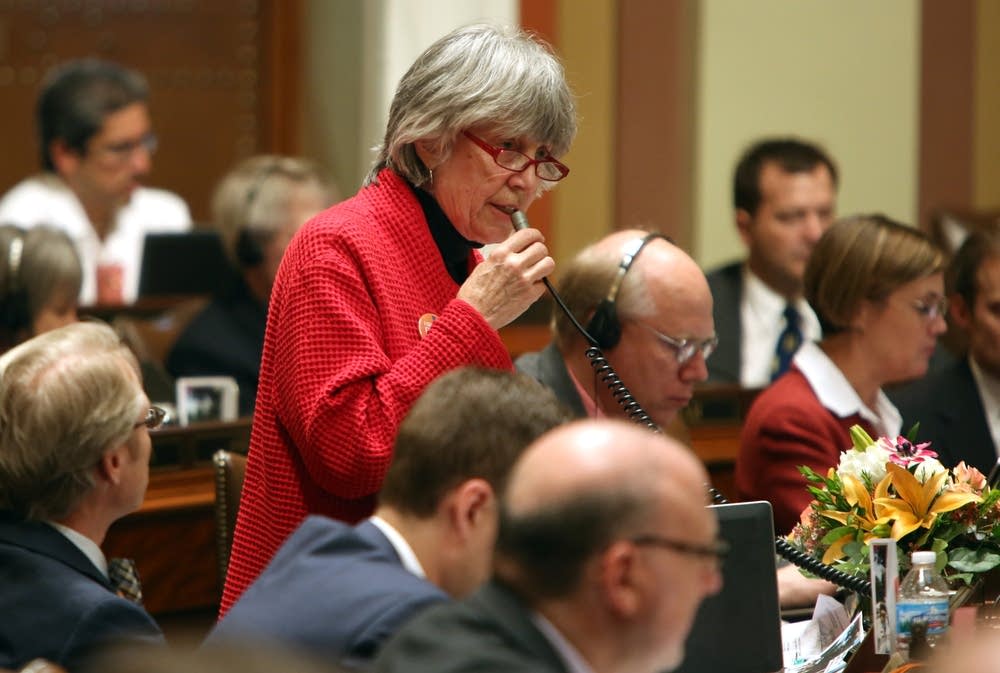
Karen Clark, the longtime Minnesota state representative who became the first openly lesbian person elected to the Minnesota House of Representatives, has died at the age of 80 after a brief illness.
Clark’s death was announced by her family and confirmed by leaders in the Minnesota House of Representatives. She passed away on June 30, prompting tributes from lawmakers, civil rights advocates and members of the LGBTQ community who praised her decades of public service and unwavering commitment to equality.
First elected in 1980, Clark represented south Minneapolis for 38 years before retiring in 2019. During her time in office, she became one of the state’s most influential lawmakers, championing affordable housing, healthcare, environmental protection and human rights. She was also recognized as the longest-serving openly lesbian state legislator in the United States.
Clark is perhaps best remembered for her leadership in the fight for marriage equality in Minnesota. In 2013, she sponsored the bill that legalized same-sex marriage in the state, a landmark piece of legislation that followed voters’ rejection of a proposed constitutional ban on same-sex marriage. The bill’s passage marked a defining moment in Minnesota’s history and cemented Clark’s legacy as one of the state’s most important advocates for LGBTQ rights.
Beyond LGBTQ advocacy, Clark dedicated much of her career to improving the lives of vulnerable Minnesotans. A trained nurse by profession, she worked tirelessly on legislation involving healthcare access, homelessness, economic justice and public health. Colleagues often described her as compassionate, thoughtful and deeply committed to serving her constituents.
Following news of her passing, current and former lawmakers from both political parties honored Clark’s contributions to Minnesota. Many credited her with breaking barriers for future generations while remaining a steadfast voice for equality and social justice throughout her career.
Karen Clark leaves behind a legacy that extends far beyond politics. Her work helped reshape Minnesota’s civil rights landscape, and her decades of public service continue to inspire advocates, lawmakers and community leaders across the country.