
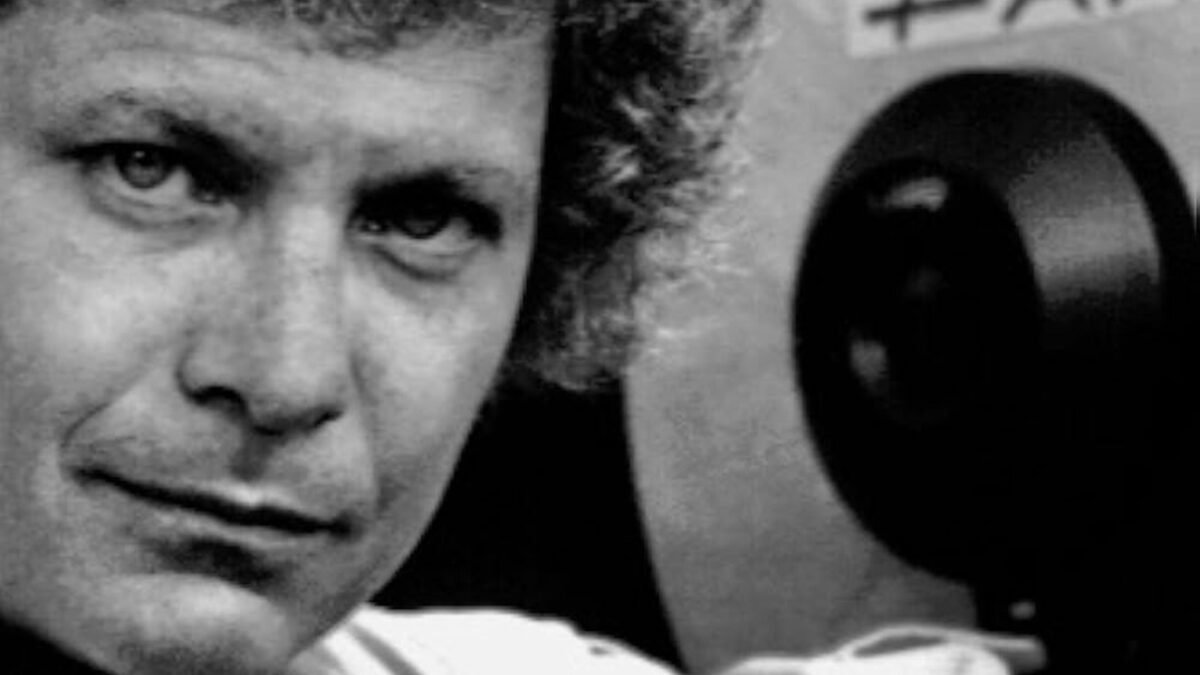
David Worth, the director behind films like “Kickboxer” and the cinematographer for “Any Which Way You Can,” has died at age 86. He passed away on September 4 in Sunland, California.
Worth began his career working on low-budget movies as a director of photography. His work caught the attention of Clint Eastwood, who hired him as cinematographer for “Bronco Billy” and “Any Which Way You Can” in 1980. Both films featured on-screen performances from Eastwood and were shot during a period when Worth was establishing himself as a reliable collaborator for major filmmakers.
His role on “Any Which Way You Can” involved handling the camera work for a project that became a box office hit, earning over $38 million domestically on a modest budget. The film, released in December 1980, starred Eastwood alongside Clyde, the orangutan, and was among the top-grossing movies of that year. Worth’s cinematography contributed to the film’s gritty, no-nonsense style, which matched Eastwood’s rough-and-tumble persona.
In the same year, Worth directed “Kickboxer,” a martial arts film that has remained a cult favorite. Released in 1989, “Kickboxer” starred Jean-Claude Van Damme and was notable for its fight sequences and gritty aesthetic. Worth’s direction focused on practical stunt work and tight framing, creating a tense atmosphere that helped the film stand out among other martial arts movies of the time.
Few details about Worth’s early years are available. He started out in the industry as a cinematographer on low-budget productions, gradually earning a reputation for his ability to shoot action scenes and work efficiently with limited resources. His collaboration with Eastwood on “Bronco Billy,” a 1980 comedy-western, marked a turning point. The film performed modestly at the box office but received praise for its straightforward storytelling and visuals.
Throughout his career, Worth remained primarily behind the camera. His work on “Kickboxer” and “Any Which Way You Can” helped define the visual tone of those films. Despite the lack of widespread celebrity, his influence can be seen in the gritty, unvarnished style of the films he contributed to.
In recent years, there was little public mention of Worth’s activities. His death was confirmed by close associates, who said he had been living quietly in Sunland. The exact cause of death has not been disclosed.
Few others have credited Worth directly in recent interviews, but film historians note his contributions to action cinema in the 1980s. His approach to cinematography emphasized practical effects and real stunts, a contrast to the CGI-heavy style that became common later.
His passing closes a chapter on a career rooted in the gritty, often overlooked corners of Hollywood filmmaking. Films like “Kickboxer” continue to find audiences through cable and streaming services, a reminder of Worth’s work behind the camera.
The industry rarely recognizes the behind-the-scenes figures, but the consistent visual style of the films Worth worked on leaves a lasting imprint. His death at 86 leaves a quiet void in the world of action and genre cinema.
According to Variety.