
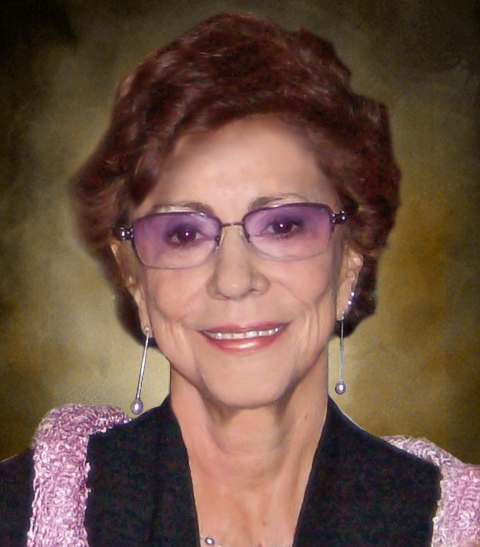
Betty Kovacs was an American woman who was known primarily as the daughter of Ernie Kovacs, the pioneering American comedian and television innovator who is widely regarded as one of the most creative figures in the early history of American television and whose experimental approach to the medium in the 1950s anticipated many of the visual and comedic techniques that later television comedy would develop. She died in 2026.
She was born Betty Lee Kovacs, the daughter of Ernie Kovacs and his first wife Bette Lee Wilcox, and grew up in the circumstances of a family whose life was shaped by her father’s extraordinary professional achievements and by the personal difficulties that included a custody battle after her parents’ divorce and the tragic circumstances of her father’s death in a car accident in Los Angeles on 13 January 1962, when Ernie Kovacs was 42 years old. His death at 42, when his creative powers were arguably at their height and when his influence on American comedy and television was still expanding, deprived American entertainment of one of its most genuinely original voices and left his daughter to grow up in the shadow of a father whose public achievement and early death defined his legacy in ways that made him an almost mythological figure in the history of American comedy.
Ernie Kovacs’s significance in American entertainment history rests on his work in television in the 1950s, when the medium was new and its creative possibilities had not yet been mapped and exploited by the commercial and institutional forces that would later standardise it. Kovacs brought a genuinely experimental sensibility to the medium, using the specific capabilities of the television camera and studio technology to create visual comedy that existed only in the television context and could not be reproduced on stage or in film. His use of camera tricks, visual distortion, sound manipulation, and the self-aware acknowledgement of the medium itself as a comedic element anticipated the postmodern approach to television comedy that would become more widespread decades later.
Growing up as the daughter of such a figure meant growing up with both the personal grief of a father lost at a young age and the specific experience of having a parent whose public significance extended far beyond his personal relationship to his family. The public memory of Ernie Kovacs, maintained by television historians, comedy scholars, and the audiences who encountered his work through archives and retrospectives across the decades after his death, gave Betty Kovacs a complex relationship to her father’s legacy as someone who knew the private person behind the public figure and whose personal memories of him existed alongside the historical and cultural assessment that others brought to his work.
She carried forward the memory of her father through the years that followed his death, maintaining the connection to a legacy that American entertainment history has consistently recognised as significant and that the comedy community has honoured through its continuing acknowledgement of his influence on the development of television comedy. She died in 2026.