
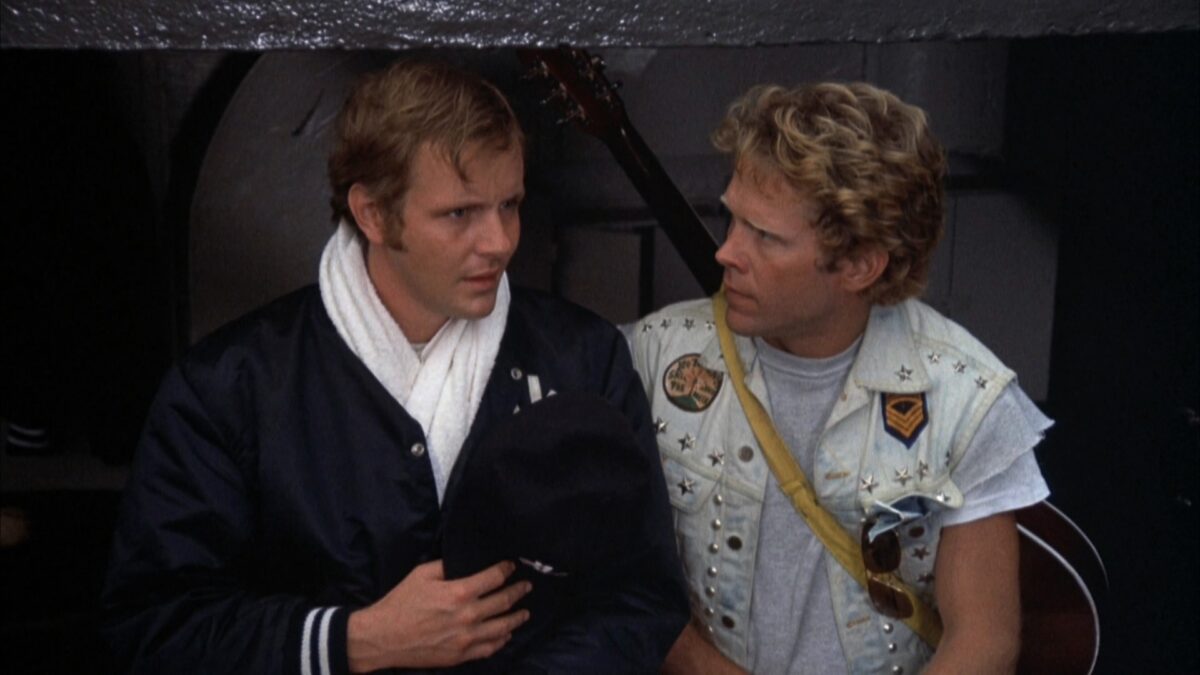
Tom Ligon was an American actor who appeared in the 1973 baseball film Bang the Drum Slowly, one of the most emotionally resonant and critically praised sports films in American cinema history, as a supporting member of an ensemble cast that included Robert De Niro and Michael Moriarty, and who maintained a professional acting career in both theatre and television across multiple decades in the American entertainment industry. He died in 2026 at the age of 85.
He was born Thomas Ligon on 2 September 1940 in Griffin, Georgia, and came to acting through the theatrical training traditions of the American stage, developing his craft in the theatre before the growing importance of film and television in the post-war American entertainment landscape provided new platforms and opportunities for stage-trained actors. American theatre of the 1960s was being transformed by the emergence of Off-Broadway and Off-Off-Broadway as significant contexts for serious dramatic work, as the alternative to Broadway’s increasingly commercial orientation gave actors, writers, and directors a space to pursue the artistic ambitions that the commercial pressures of Broadway made difficult to sustain.
Bang the Drum Slowly, based on Mark Harris’s 1956 novel and directed by John Hancock, told the story of a professional baseball player dying of Hodgkin’s disease and his teammates’ responses to his illness across a single baseball season. Robert De Niro’s performance as Bruce Pearson, the slow-witted catcher who faces his diagnosis with a combination of fear and simplicity, was one of the actor’s most praised early performances and helped establish his reputation as one of the most committed actors in American cinema. Michael Moriarty’s performance as the star pitcher Henry Wiggen, who becomes Pearson’s protector and advocate, provided the film’s emotional centre, and the supporting cast whose performances populated the locker room and playing field of the fictional New York Mammoths gave the film its convincing texture of professional baseball life.
His role in the film placed him in a production that represented the best of the American cinema of the early 1970s, the New Hollywood era whose combination of the Method acting tradition, the influence of European art cinema, and the greater freedom from Hollywood’s Production Code that the rating system introduced in 1968 had created was producing the most ambitious and artistically significant American films since the golden age of Hollywood. Working in this environment meant working alongside actors and filmmakers whose commitment to realistic dramatic truth was transforming what American cinema was capable of achieving.
His subsequent career in television and theatre demonstrated the sustained professional engagement with his craft that characterises actors who build careers of genuine longevity in the American entertainment industry. Television provided the consistent employment that sustains professional acting careers between film opportunities, and the range of dramatic and comedic work that American television offered across the decades of his career gave him the opportunity to develop and demonstrate the full range of his abilities across multiple genres and formats.
He died in 2026 at the age of 85, having contributed to one of the most respected American sports films of the 1970s and having maintained a professional presence in American theatre and television across more than four decades of professional activity. He was 85 years old.