
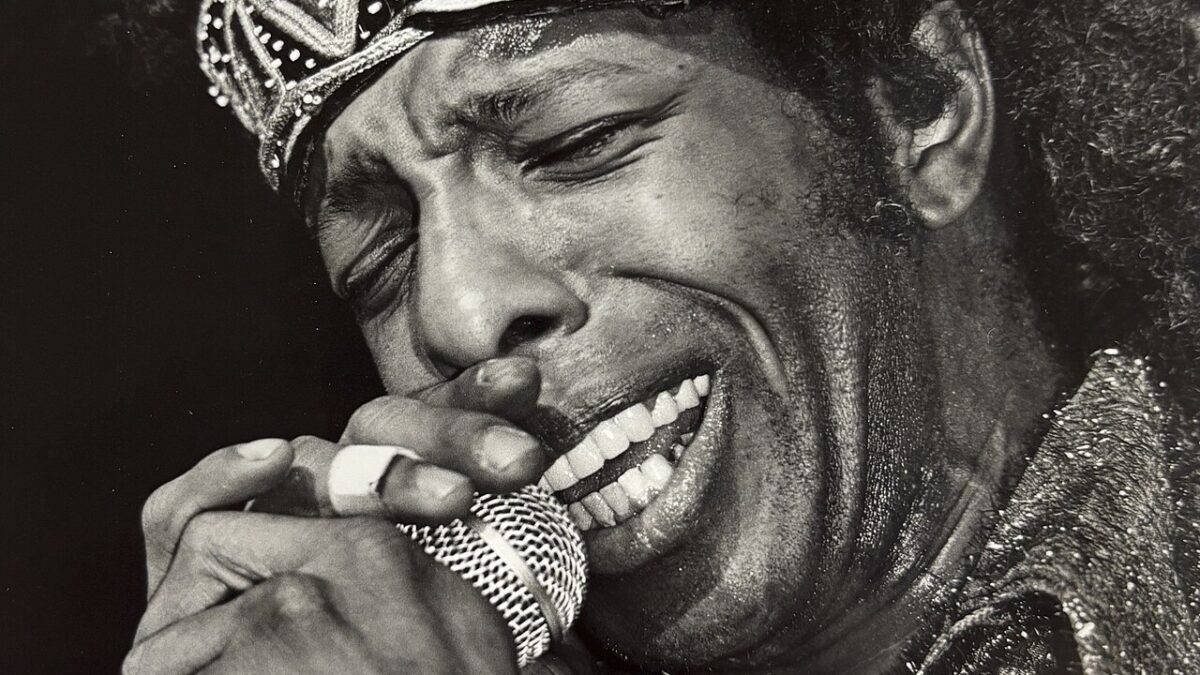
At Woodstock in August 1969, Sly and the Family Stone took the stage in the early hours of the morning and had half a million exhausted people chanting “I want to take you higher”. It was one of the defining performances of the festival, by a band that looked like nobody else: black and white, men and women, playing soul, rock and psychedelia at once. Their leader, Sylvester Stewart, known as Sly Stone, died in Los Angeles on June 9, 2025, after a long illness with lung disease. He was 82.
A radio DJ in San Francisco
Stewart was born in Denton, Texas, on March 15, 1943, and grew up in Vallejo, California, singing gospel with his siblings. In the mid-1960s he was a disc jockey on the San Francisco soul station KSOL and a record producer, working on hits for Bobby Freeman and on early recordings by the Beau Brummels. In 1966 he formed the Family Stone with his brother Freddie, his sister Rose and friends.
Everyday People
“Dance to the Music” made them stars in 1968. “Everyday People”, with its message that “different strokes for different folks” should live together, went to number one in 1969, followed by “Thank You (Falettinme Be Mice Elf Agin)” and “Family Affair”. Their 1971 album There’s a Riot Goin’ On, dark and murky, was one of the most influential records of the decade and pointed the way to the funk of the 1970s. Musicians from George Clinton to Prince drew on the band’s sound.
Decline and return
By the early 1970s Stone’s drug use led to missed concerts and a slow collapse of the band, and he spent long periods out of public view. Sly and the Family Stone were inducted into the Rock and Roll Hall of Fame in 1993. In 2023, sober, he published a memoir, Thank You (Falettinme Be Mice Elf Agin), and in 2025 Questlove released a documentary about him, Sly Lives!
Stone’s band lasted only a few years at the top, but the idea behind it, that a group could look like America and sound like everything at once, outlived it.