
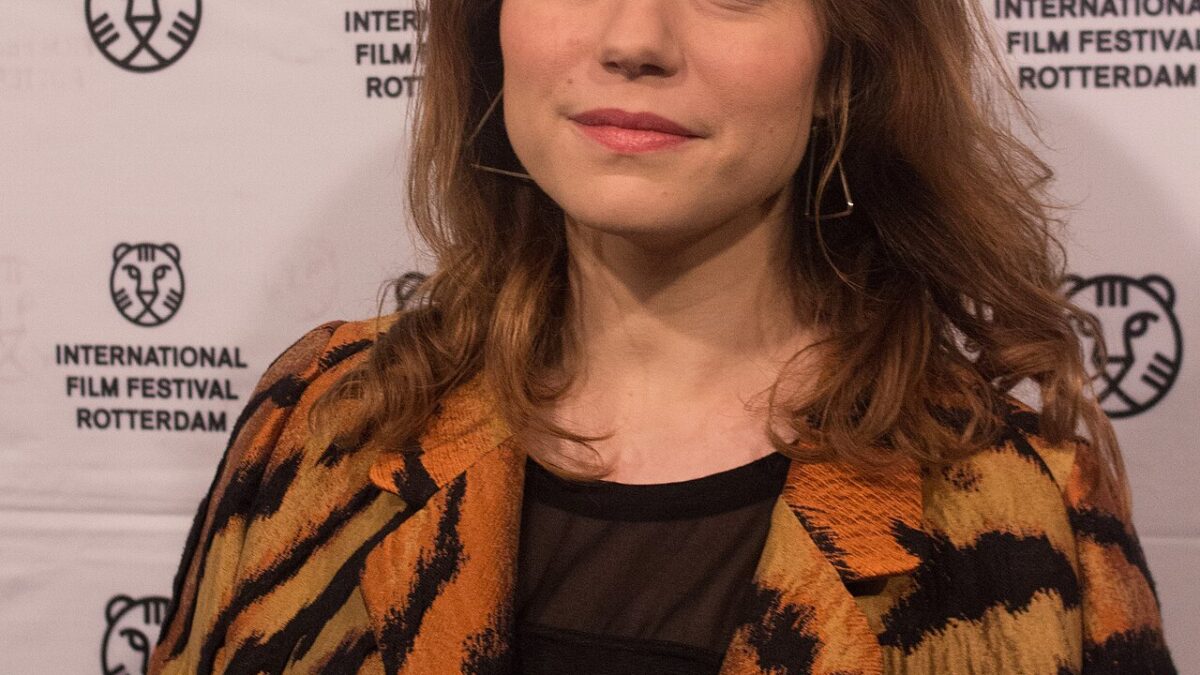
Émilie Dequenne was a schoolgirl from a small town in Belgium with no film experience when the Dardenne brothers chose her to play Rosetta, a teenager fighting to get and keep a job. At Cannes in 1999, Rosetta won the Palme d’Or and Dequenne, then 18, shared the prize for best actress. She died on Sunday, March 16, 2025, at the Gustave Roussy cancer hospital in Villejuif, outside Paris. She was 43. In 2023 she had revealed that she had adrenocortical carcinoma, a rare cancer.
Rosetta
Dequenne was born in Belœil, in the Belgian province of Hainaut, in August 1981 and had acted in amateur theatre before her audition. Jean-Pierre and Luc Dardenne filmed Rosetta with a hand-held camera that follows her almost without a break, and her raw, angry performance carried the film. Its success led Belgium to pass a law protecting young workers that became known as the Rosetta plan.
A long career in French cinema
After Rosetta, Dequenne worked steadily in French and Belgian film. She appeared in the period horror adventure Brotherhood of the Wolf in 2001, and in Joachim Lafosse’s Our Children (À perdre la raison) in 2012, playing a mother pushed to breaking point, a role that won her the best actress award in the Un Certain Regard section at Cannes. In 2021 she won the César for best supporting actress for Emmanuel Mouret’s Love Affair(s). British viewers knew her from the BBC drama The Missing.
Her illness
Dequenne spoke openly about her cancer and her treatment. In 2024 she returned to Cannes for a screening marking the 25th anniversary of Rosetta. She was survived by her husband, the director and producer Michel Ferracci, and her daughter, Milla.
She won one of cinema’s biggest prizes with her very first film, at an age when most actors are still auditioning for small parts, and won a César more than twenty years later.