
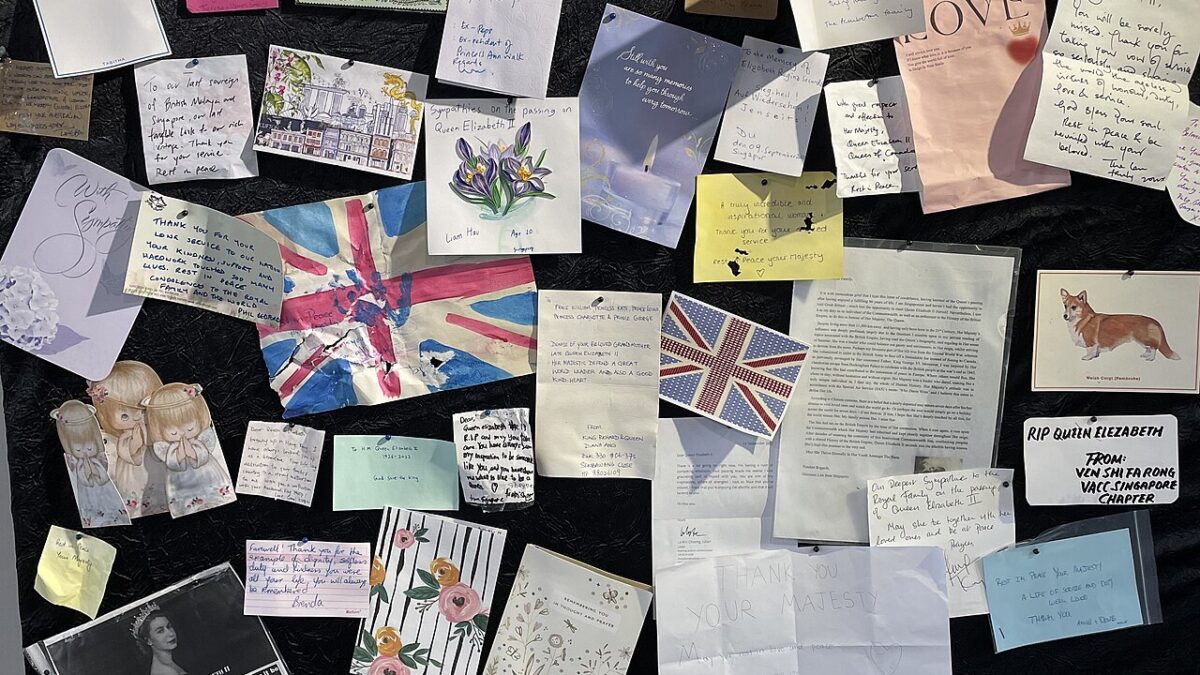
The most common thing people say about sympathy cards is that they did not know what to write, so they wrote nothing beyond their name. A condolence message does not need to be clever or long. Two or three honest sentences, sent soon, mean more to a grieving family than a perfect letter that arrives a month later.
The three things a good message does
A condolence message only has to do three things. It names the person who died, so the family knows you are thinking of the person as well as the loss. It says, simply, that you are sorry. And, if you can, it adds one specific memory or quality: something the person said, did or was. “I’m so sorry about your dad. I’ll always remember him shouting at the referee at every school match” says more than a paragraph about loss. If you did not know the person who died, it is fine to say so and write about the person you do know: “I didn’t know your mother, but I know how much she meant to you.”
What to avoid
Avoid explaining the death or finding a reason for it. Phrases like “everything happens for a reason”, “she’s in a better place” and “at least he’s not suffering” are usually meant kindly but can feel like the writer is closing the subject. Avoid comparing the loss to your own, unless you are sure it will help. And avoid “let me know if there’s anything I can do”. Grieving people rarely ask. Offer something specific instead: a meal on Thursday, a lift to the funeral, an hour of looking after the children.
Short examples you can adapt
For a friend: “I’m so sorry about your mum. She was always so welcoming when I came round, and I’ll never forget her Sunday lunches. I’m thinking of you and I’ll call next week.” For a colleague: “I was very sorry to hear about the death of your husband. Please take all the time you need, and don’t worry about anything here.” For the loss of a child: “There are no words for a loss like this. We are holding you close and will be here for as long as you need us.” For the loss of a pet: “I’m so sorry about Max. He was part of the family, and it’s going to be strange without him.”
Cards, texts and social media
A handwritten card is still the most personal option, and many families keep them for years. A text or a private message is fine for a close friend in the first hours, but it should not replace a card or a call for someone you know well. On social media, keep public comments short and kind, and do not share details of the death that the family has not shared first. If you hear the news late, write anyway. A message weeks or months later, especially around a birthday or anniversary, often means the most, because by then most people have stopped writing.
If you are still stuck, the simplest message always works: “I’m so sorry. I’m thinking of you.” Then sign your name and send it.