
When Daddy Lumba died in Accra on July 26, 2025, the grief spread far beyond the people who knew him. Ghanaians held vigils at home and in cities abroad, and fans who had never met him posted tributes that read like messages about a family member. It is one of the oddest experiences in modern life, grieving for someone you never met, and it is also one of the most common.
A relationship that only runs one way
In 1956, two American sociologists, Donald Horton and R. Richard Wohl, described what they called parasocial relationships: the feeling of intimacy that audiences develop with performers they see regularly on television or hear on the radio. The performer does not know the viewer exists, but the viewer knows the performer’s face, voice, jokes and habits as well as they know a neighbour’s. Horton and Wohl were writing about early TV hosts. Social media has made the effect stronger, because fans now see stars’ homes, children and breakfasts every day.
Grieving the person, and the years they stood for
A famous death often reminds people of their own past. The singer whose songs played at your wedding, the actor from the show you watched with a parent who has also died, the footballer whose poster was on your wall: losing them can feel like losing a piece of those years. This may be why the deaths of musicians often hit so hard. Songs are tied to specific memories in a way few other things are, and hearing them after a death can bring back both the music and the life you were living when you first heard it.
Mourning in public, together
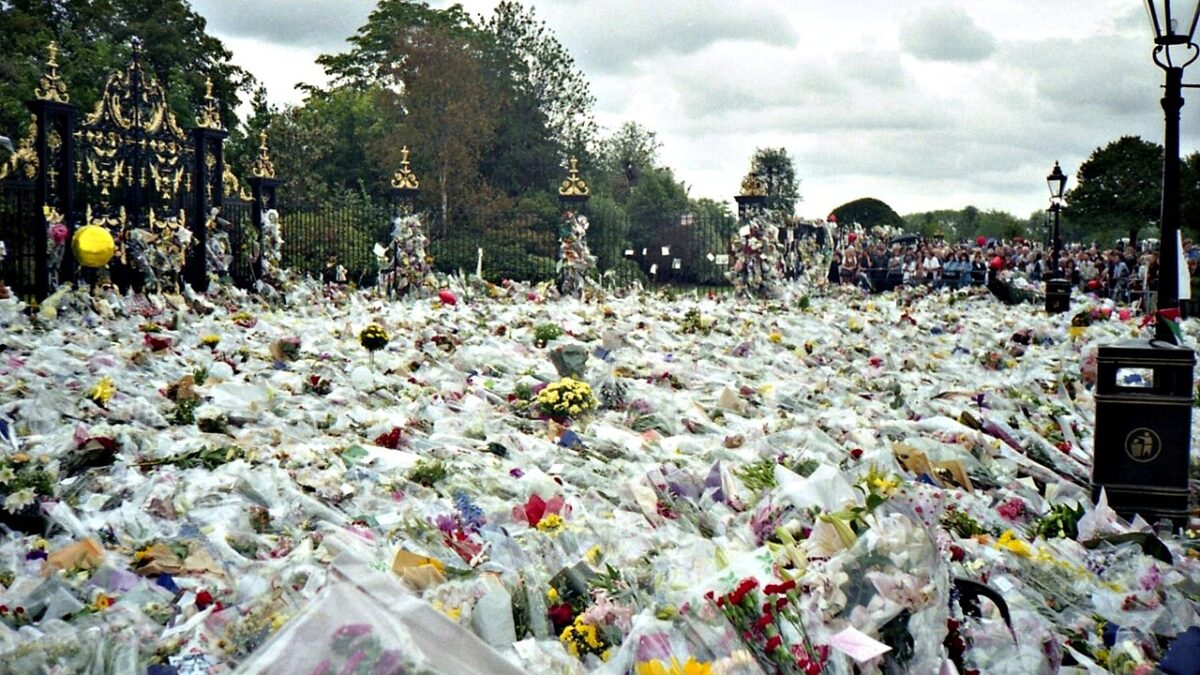
Celebrity deaths also give people a chance to grieve in company. After Diana, Princess of Wales died in 1997, the flowers left outside Kensington Palace spread across the ground in a carpet that stretched into the park. When Michael Jackson died in 2009, so many people searched for news at once that parts of the internet slowed down. Today the same thing happens in comment sections and on memorial pages, where strangers share memories with each other. For many people, that shared grief is easier to express than grief for their own family.
When it is more than sadness
Feeling low, tearful or distracted for days after a famous death is normal, and so is feeling embarrassed about it. The relationship was one-sided, but the sadness is real. But a celebrity death can also reopen older losses. If someone’s sadness does not ease after a few weeks, or if it brings back grief for a person they actually knew, talking to a friend, a pastor or a counsellor can help. Some fans also find it helps to do something: give to a charity the star supported, or play their music for someone who has not heard it.
Daddy Lumba never met most of the people who wept for him. But for thirty years they had invited him into the most important days of their lives, and when he died, that was what they were mourning.