
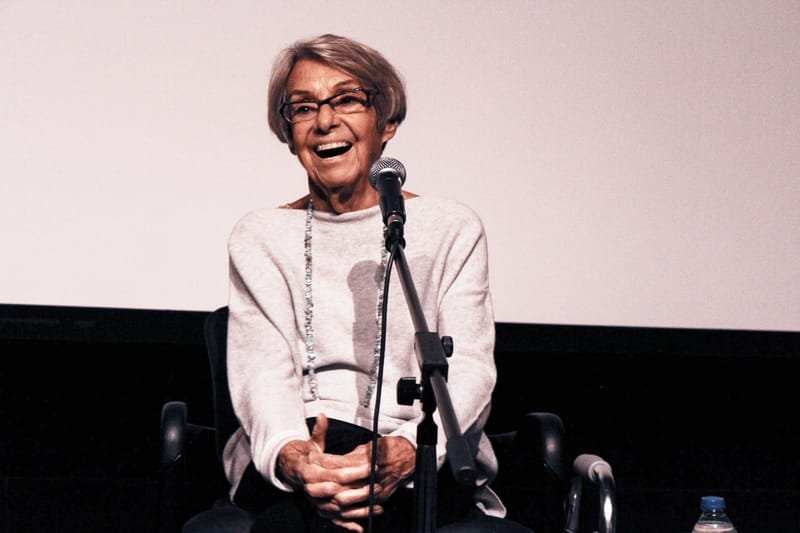
Anne Claire Poirier, the Canadian filmmaker whose work challenged conventions and broke barriers, died on September 28, 2026, at the age of 94. She passed away in Outremont, Quebec, the suburb where she had spent much of her life. Her death brings an end to a career that spanned over five decades, during which she became one of the few women working at the National Film Board of Canada in the 1960s and 1970s.
Her first film, De mère en fille, was released in 1968. It was among the early examples of her focus on social issues and personal stories told through a cinematic lens. Over the years, she directed works including Before the Time Comes, A Scream from Silence and Beyond Forty. These titles earned her recognition for their raw honesty and unflinching look at Canadian life and identity.
Poirier’s influence extended beyond film. She also directed theatre, adding another dimension to her creative output. Her work often tackled gender, social change and the struggles of ordinary Canadians. She was not afraid to confront difficult topics, a trait reflected in her films and stage productions alike.
Her contributions to Canadian arts earned her numerous awards. She received the Prix Albert-Tessier, a major honor given to those who contribute to Quebec cinema. She was also awarded the Governor General’s Performing Arts Award, the country’s highest theatre and performing arts honor. In 2001, she was appointed to the Order of Canada, and in 2014, she received the National Order of Quebec.
Born in Saint-Hyacinthe, Quebec, on June 6, 1932, Poirier’s career began in an era when few women held prominent roles in filmmaking. Her presence at the National Film Board of Canada was unusual for the time. She told the NFB in the 1970s that she wanted to tell stories that reflected the realities of women and marginalized groups, a goal that shaped her entire oeuvre.
Her death has been confirmed by her family and the Canadian arts community. She is remembered for her pioneering spirit and her willingness to challenge the status quo. Her films inspired generations of filmmakers and activists. The impact of her work is evident in the continued relevance of her themes and the recognition she received during her lifetime.
In Outremont, where she spent her final years, colleagues paid tribute to her legacy. Film critic Jacques Nadeau wrote that Poirier "broke new ground for women in Canadian cinema" and "refused to compromise her vision." A spokesperson from the National Film Board expressed condolences and acknowledged her role as a trailblazer.
Her passing leaves a gap in Canadian cultural history. Poirier’s films remain part of Canada’s cinematic landscape, studied and appreciated for their honesty and courage. Her contributions helped pave the way for future generations of women directors and storytellers.
Poirier’s work was recognized with awards and official honors, but her most lasting achievement may be her refusal to back down from difficult truths. She once said that her goal was to "tell stories that matter," a mission she fulfilled throughout her long career.
She is survived by family members and a community that saw her as a pioneer. Her influence on Canadian film and theatre will be felt for years to come.
According to Dead-People.