
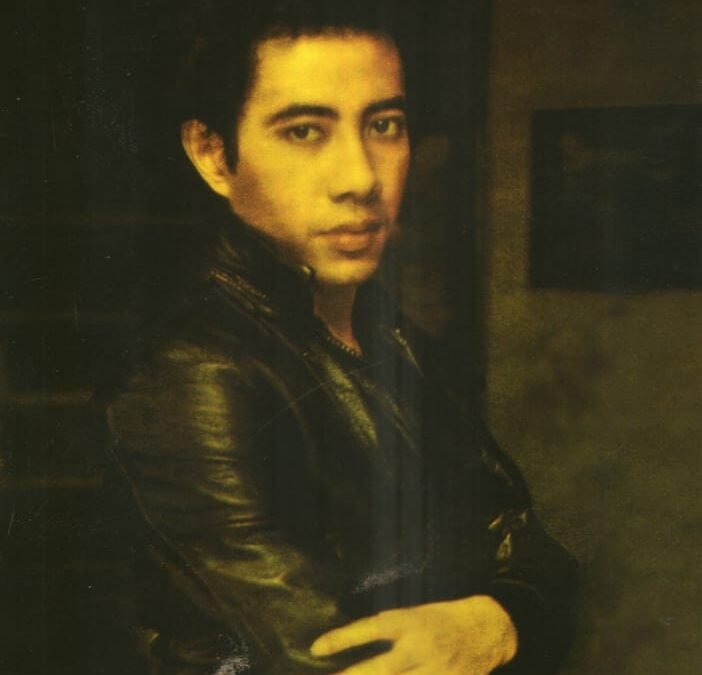
Guruh Sukarnoputra, the Indonesian politician and artist, died on September 26, 2026, at age 73. His death was confirmed by close associates, who said he passed away peacefully in Jakarta.
Born Muhammad Guruh Irianto Sukarnoputra in Jakarta on January 13, 1953, he was the youngest son of Indonesia’s first president, Sukarno, and Fatmawati. His familial ties placed him at the heart of Indonesia’s political history. His sister, Megawati Sukarnoputri, served as president from 2001 to 2004. Guruh Sukarnoputra was also known as Guruh Soekarno Putra and Guruh Sukarno Putra.
He built a career in the arts before and during his long parliamentary service. His work spanned music, acting, songwriting, and choreography. He performed as a musician in the 1970s and 1980s, releasing albums that drew from traditional Indonesian sounds and contemporary influences. His most notable recordings include the 1977 album "Guruh," which featured hits that became staples in Indonesian pop.
Alongside his artistic pursuits, Guruh Sukarnoputra served as a member of the People’s Representative Council. He was elected in the late 1990s and served multiple terms, making him one of the longest-serving members in Indonesia’s legislature. His political career was intertwined with his artistic identity. He was known for advocating cultural preservation and youth engagement in politics.
In 2000, he was appointed as a member of the parliament, a position he held until his death. During his time in office, he was involved in legislation related to arts and culture, often drawing on his background as a musician and choreographer. His legislative record included efforts to support traditional Indonesian arts and promote national cultural identity.
Guruh Sukarnoputra also appeared in several films in the 1980s. His acting credits included roles in movies that combined elements of traditional storytelling with modern cinema. Despite his focus on politics later in life, he maintained a public presence in Indonesia’s entertainment scene through the 1980s and early 1990s.
His death leaves a complex legacy. He was a figure who bridged politics and the arts. His influence extended beyond Indonesia’s borders through collaborations with musicians and artists across Southeast Asia. His work earned recognition at home, but he remained a controversial figure to some, given his familial ties to Sukarno and the political shifts in Indonesia over the decades.
Friends and colleagues confirmed he had been ill for several weeks before his passing. They declined to specify the illness but said he had been receiving treatment at a Jakarta hospital. His family issued a statement expressing gratitude for the support they received and asking for privacy during their mourning.
Guruh Sukarnoputra’s death comes at a time when Indonesia grapples with its cultural identity amidst rapid modernization. His passing marks the end of an era for a family deeply woven into the nation’s history. Observers note his dual legacy as an artist and politician who navigated Indonesia’s turbulent political waters with a passion for both his country and its cultural roots.
He is survived by his children and grandchildren. His funeral is scheduled for early next week in Jakarta. The ceremony is expected to draw many from Indonesia’s political and artistic circles. His life’s work, spanning stages, studios, and legislative chambers, leaves a record of dedication to Indonesia’s cultural and political landscape.
According to Dead-People.