
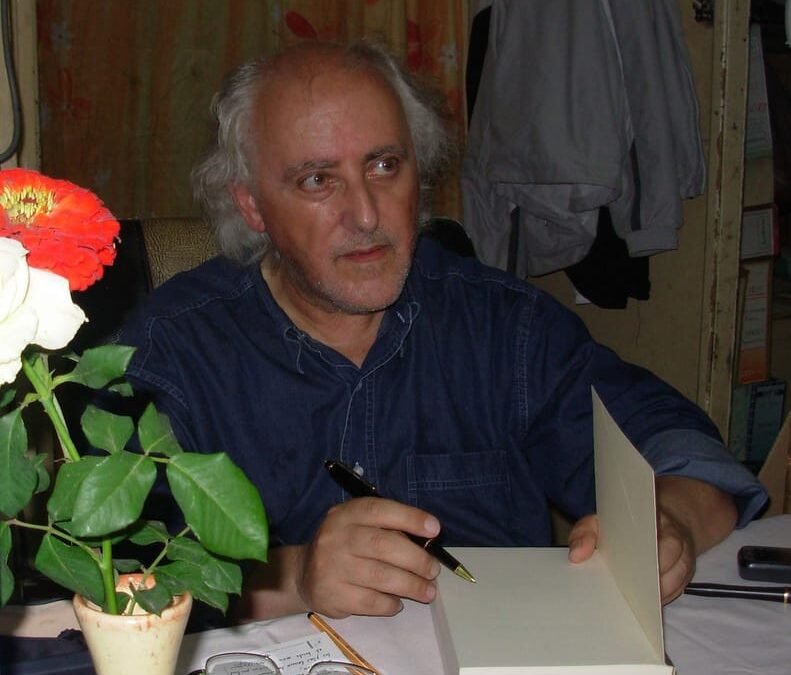
Mohammed Benchicou died on September 24, 2026, at the age of 74. The Algerian journalist and critic of Abdelaziz Bouteflika passed away in England after a long battle with cancer.
Born Mohammed Boualem Benchicou in Miliana on July 1, 1952, he became a leading voice in Algerian media. In 1989, he helped found the movement of Algerian journalists, according to records. He later led the team that relaunched Alger Républicain after its ban in 1965. By 1991, Benchicou had left Alger Républicain with Saïd Mekbel and Fodil Mezali, two other prominent journalists.
He founded Le Matin, an opposition newspaper, which operated until its closure in August 2006. The paper was known for its critical stance against the government. In June 2004, Benchicou was sentenced to two years in prison over an exchange-regulations offense. The charges were seen as politically motivated by supporters. Despite this, he was awarded the PEN Barbara Goldsmith Freedom to Write Award, which recognizes writers imprisoned or persecuted for their work.
Benchicou’s career was marked by confrontation with authorities. His efforts to challenge official narratives earned him both respect and repression. After Le Matin shut down, he remained a vocal critic of Bouteflika’s regime. His criticism made him a target. He spent time in prison and faced other restrictions.
His death was confirmed by close associates. No official statement from Algerian authorities was issued. Benchicou's family said he had been battling cancer for some time before he died in England. The exact nature of his illness was not publicly disclosed at the time of his death.
In recent years, Benchicou’s name remained linked to the struggle for press freedom in Algeria. His work helped keep alive the voice of opposition media in a country where journalism often faces censorship. His influence extended beyond Algeria, inspiring journalists across North Africa.
His departure leaves a void in the country's media landscape. The government has yet to comment publicly on his death. His name appears regularly in discussions about media independence and political dissent.
Benchicou’s legacy is tied to the fight for an independent press in Algeria. His efforts to relaunch Alger Républicain after its ban and his leadership at Le Matin exemplified resistance to government control. His convictions and imprisonments underscored the risks faced by journalists challenging authority.
His death comes amid ongoing debates over press freedom in Algeria. The country’s media environment remains tense, with many outlets operating under restrictions. Benchicou’s life story illustrates the costs of dissent in a system resistant to criticism.
His passing was noted by several international human rights organizations. They pointed to his perseverance in the face of repression. His awards and recognition highlighted his commitment to free expression.
Benchicou’s life also reflected the broader struggles within Algeria’s political landscape. His criticism of Bouteflika’s rule made him a symbol of resistance. His death marks the end of a chapter for journalists who continue to challenge power.
He is survived by family members who confirmed his death in England. The exact location of his burial has not been announced. His work continues to influence younger generations of journalists seeking change.
The country’s media community paid tribute to him, describing him as a man who dared to speak out despite the risks. His story underscores the ongoing tension between authority and free expression in Algeria.
According to Dead-People.