
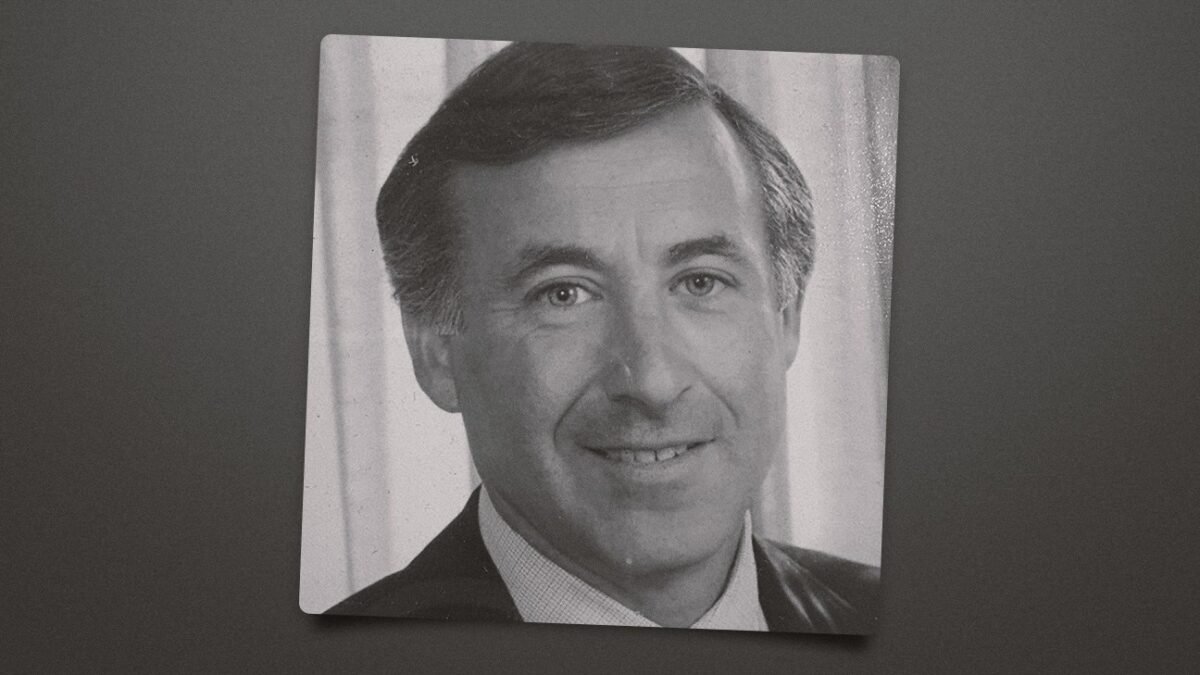
Richard S. Reisberg, a veteran television executive whose career spanned more than four decades, died Wednesday at his home in Woodland Hills. He was 85. The family confirmed he had been battling Alzheimer’s disease.
Reisberg’s influence extended through a wide array of programming at some of Hollywood’s most prominent studios. He oversaw productions at Viacom, MGM/United Artists, Reeves Entertainment, and Lionsgate. His career in television management began after working in business affairs at ABC, CBS, and NBC, and later at Viacom International, where he rose to the position of senior vice president. In 1972, he moved to Los Angeles, a shift that marked the start of his leadership in the industry’s top ranks.
From 1978 to 1981, Reisberg served as president of Viacom Productions. During that period, he became known for his ability to manage both creative and business sides of television. He then became president of United Artists Television before taking charge of MGM/UA Television Productions, which was home to shows like CHiPs and Fame. He remained there until 1985.
His time at Reeves Entertainment from 1985 to 1994 saw him as president and COO, guiding the company through a series of successful projects. He later served as president of Lionsgate Television before launching a consulting firm. His leadership was characterized by a focus on programming that appealed to broad audiences, even as the industry shifted toward cable and cable-like streaming services.
Beyond his studio work, Reisberg’s name appeared on the credits of several notable projects. He was an executive producer for the 1980 NBC telefilm Enola Gay: The Men, the Mission, the Atomic Bomb. The film examined the events surrounding the dropping of the atomic bomb on Hiroshima. In 1999, he produced the CBS sitcom Payne, starring John Larroquette, which was a remake of the British series Fawlty Towers.
His family described him as someone who found happiness outside work with a fly rod in hand. They said he enjoyed fishing and cooking, preparing dishes like chili and linguine with clams for his family. His love for those moments was clear, but they emphasized that nothing mattered more to him than his family.
Reisberg’s post-retirement years included a significant second act. Starting in 2001, he served as a mediator at JAMS, a dispute resolution service. His family noted he “brought a clear and objective approach to resolving disputes and a gift for bringing people together.” They added he “loved finding common ground” and “had a way of helping others find it, too.” For more than 15 years, he also taught mediation at the Pepperdine School of Law, sharing his skills with students and professionals alike.
Born in the Bronx on May 24, 1941, Reisberg grew up on Long Island, attending high school in Long Beach. He earned a bachelor’s degree from Michigan State University and a law degree from Fordham University, taking classes at night to balance his studies.
His career in entertainment began at J. Walter Thompson, where he worked in the broadcast department. His later roles in business affairs at the major networks laid the groundwork for his rise to senior executive levels. His tenure at Viacom International in Los Angeles began in 1972, where he soon became a central figure in the company’s television division.
Reisberg’s legacy includes his ability to steer popular shows through complex production landscapes. His leadership at MGM/UA Television helped shape the programming of the early 1980s, while his work at Lionsgate contributed to the rise of the company as a major player in television production.
He is survived by his wife of nearly 57 years, Judy; his daughters Jennifer and Stephanie; his son-in-law Justin; and grandchildren Oliver, Tyler, Ella, and Layla.
His family said he was happiest with a fishing rod in hand. They noted that his love for family was limitless, and his joy in simple pleasures was genuine.
Donations in his memory may be made to Alzheimer’s Los Angeles.
According to Hollywood Reporter.