
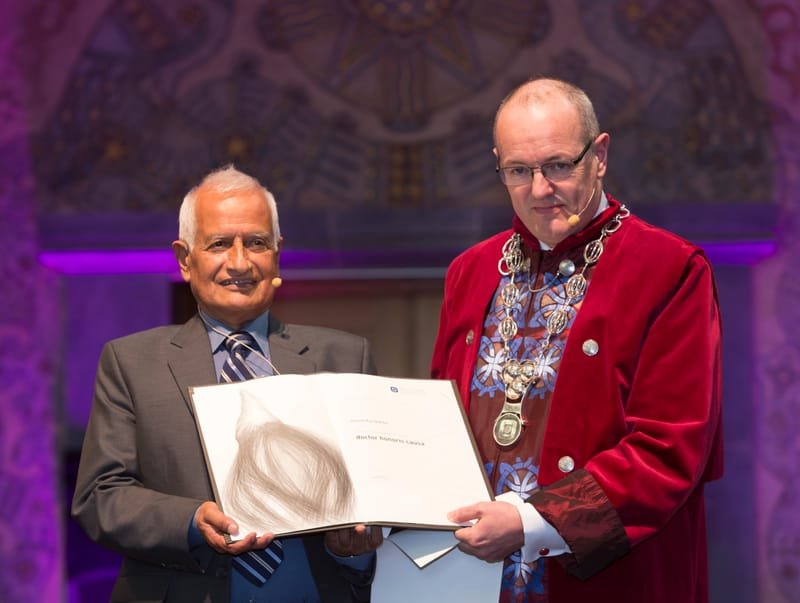
Suresh Raj Sharma, the man behind Kathmandu University's founding, died on September 23, 2026, at age 86. His death was confirmed by officials close to the university. Sharma’s passing comes after a long career that shaped higher education in Nepal.
Sharma was the first vice chancellor of Kathmandu University. He held that position from its inception in 1991 until 2001. As a founder, he helped establish one of Nepal’s most prominent private institutions. His leadership guided the university through its critical early years. He remained a lifelong member of the board of trustees.
Born in Nepal, Sharma earned a PhD in chemistry from London South Bank University in London. His academic background was the foundation for a career that extended beyond university administration. He served as the first executive director of the Council for Technical Education and Vocational Training. That role put him at the forefront of technical education development in Nepal.
Sharma also worked as a member secretary in the National Education Committee. His work there involved shaping policies for Nepal’s education system. He represented the country on the National Commission for UNESCO. He also participated in the SAARC technical committee on science and technology. His influence extended across regional and international platforms.
Throughout his career, Sharma was known for his administrative skill and dedication. He was considered a notable figure in Nepal’s education sector. His work contributed to the growth of technical and higher education in the country. Many in Nepal’s academic community remember him for his leadership and vision.
His death was linked to cancer, according to sources close to the family. No further details about his illness or funeral arrangements have been made public. Sharma’s passing leaves a gap in Nepal’s educational landscape. His contributions helped shape the direction of higher learning in Nepal for decades.
Kathmandu University announced his death in a statement, calling Sharma a "pioneer in Nepali education." The university’s board of trustees expressed their condolences. Leaders in Nepal’s education sector also paid tribute to Sharma’s legacy.
Sharma’s influence stretched beyond university walls. He was a member of various national and regional committees, advocating for science and technology development. His work helped integrate Nepal into broader regional efforts in education and technology.
Nepal’s education system has lost a figure who dedicated his life to its advancement. Sharma’s career spanned more than 50 years, marked by leadership roles and policy work. His death at 86 closes a chapter in Nepali academic history.
His family has yet to release details about funeral arrangements. Witnesses say Sharma remained active in academic circles until recent months. Colleagues remember him as a figure who combined scholarly expertise with administrative clarity.
Sources say Sharma’s work at Kathmandu University set standards for private higher education in Nepal. His influence is seen in the university’s growth and in national debates over education policy. The country’s academic community now reflects on his legacy.
Sharma’s death signifies the end of an era for Nepali education. His contributions laid the groundwork for future generations. As Nepal continues to develop its higher education sector, his name remains linked to its early strides.
According to Dead-People.