
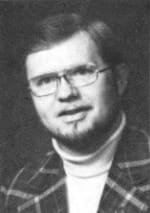
David Hollister, the former Lansing mayor and Michigan State Representative, died on September 23, 2026, at 84. His death was confirmed by family members but has yet to be publicly detailed.
Hollister was born in Kalamazoo, Michigan, on April 3, 1942. He attended Michigan State University before launching a 28-year career in state and local government. His political career began in the Michigan House of Representatives, where he served Lansing area voters from 1975 until 1993.
During his time in the Michigan legislature, Hollister was known for his work on economic development and regional investments. He helped secure General Motors funding for projects in downtown Lansing and the wider region. His efforts played a part in attracting GM investments that aimed to revitalize the city’s core.
In 1994, Hollister became mayor of Lansing. He held the position until 2003. His tenure saw the completion of Cooley Law School Stadium, home of the Lansing Lugnuts. The stadium opened in 1996 and became a focal point for city revitalization efforts.
Hollister’s influence extended beyond infrastructure. He was involved in negotiations to bring investment from General Motors, aiming to support downtown development and regional growth. His work was recognized as a defining feature of Lansing’s economic landscape during the 1990s and early 2000s.
His contribution to Lansing’s urban renewal was acknowledged by city officials and former colleagues. A spokesperson for Lansing city government said Hollister’s leadership helped shape the city’s economic recovery after years of decline.
Born in 1942, Hollister’s early years in Kalamazoo preceded a move to Lansing, where he became a fixture in Michigan politics. His career spanned nearly three decades, during which he transitioned from state legislator to city mayor.
Hollister’s death comes as Lansing prepares for a series of development projects aimed at further revitalizing downtown. His role in securing investments from major corporations remains a key part of his legacy.
His passing was also noted by Michigan political figures and community leaders who credited him with helping to stabilize Lansing’s economy during difficult times. An official statement from the Michigan Department of Economic Development described Hollister as a “dedicated public servant who worked tirelessly to improve the city and region.”
Hollister’s life reflects a period of transition for Lansing, from economic hardship to a focus on attracting corporate investment. His work with General Motors and the development of the stadium helped set the stage for future growth.
He is survived by family members, but no further details about his personal life have been released. His death marks the end of a career that left a clear imprint on Lansing’s political and economic landscape.
His contributions to regional development and city revitalization are documented in city records and local histories. Lansing officials are expected to hold a memorial service in the coming days.
As Lansing looks ahead, Hollister’s name will remain linked with efforts to attract investment and rebuild the city’s downtown core. His legacy endures in the stadium he helped see completed and in the investments that continue to shape Lansing’s future.
According to Dead-People.