
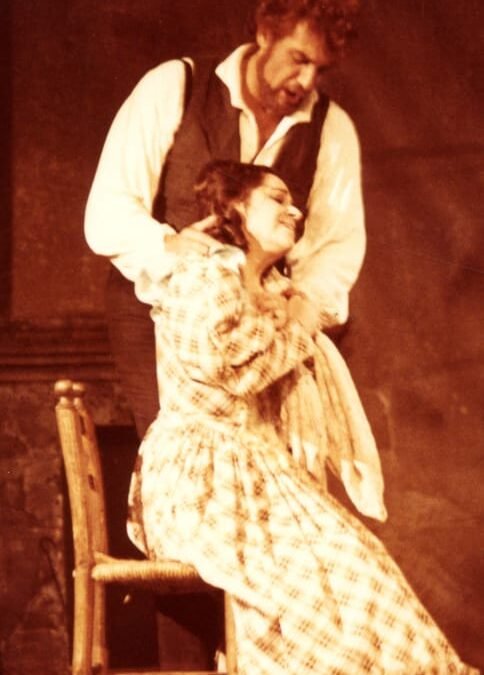
Ileana Cotrubaș was a Romanian operatic soprano who was regarded as one of the finest lyric sopranos of her generation, celebrated for the beauty and expressivity of her voice, the depth of her musical intelligence, and the interpretive authority she brought to a repertoire centred on the great lyric soprano roles of Mozart, Verdi, Puccini, and Strauss in the world’s leading opera houses across a career spanning from the mid-1960s to her retirement in the early 1990s. She died on 7 June 2026 at the age of 82.
She was born Ileana Cotrubaș on 9 June 1939 in Galați, Romania, and received her musical education at the Ciprian Porumbescu Conservatory in Bucharest, where she trained as a soprano in the European conservatory tradition that was maintained in Romania under Communism as part of the state’s investment in classical arts institutions. Romanian classical music training in the Soviet era maintained high standards of vocal and instrumental instruction and produced musicians who were able to compete at the highest international levels when given the opportunity to perform abroad, as the Romanian state increasingly allowed its most distinguished artists to do as their international reputations brought prestige to the country.
Her international career was established through her performances at major European opera houses including the Vienna State Opera, where she became one of the most beloved soprano artists on the company’s roster, Covent Garden in London, the Paris Opera, and subsequently the Metropolitan Opera in New York, where she made her debut in 1977 and performed across multiple seasons in some of the signature roles of the lyric soprano repertoire. Her portrayal of Violetta in Verdi’s La Traviata was considered one of the great interpretations of the role of her era, combining the vocal demands of one of the most challenging soprano parts in the Italian opera repertoire with an interpretive depth and dramatic conviction that distinguished her from technically accomplished sopranos who brought less musical intelligence to the role.
She was also celebrated for her interpretations of Mozart heroines including Susanna in The Marriage of Figaro and Pamina in The Magic Flute, and for her work in the Viennese operetta repertoire and in the lieder and art song traditions that round out the performing careers of the finest classical singers. Her recordings, made across her career for major labels including Deutsche Grammophon and CBS Masterworks, documented the quality of a voice and a musical intelligence that those who heard her live in her prime consistently described as exceptional, and the recorded legacy she left gives subsequent generations access to performances whose quality the recordings capture across the range of her repertoire.
She retired from the operatic stage in the early 1990s while still in possession of her vocal and musical powers, a choice that preserved the integrity of a career that had maintained the highest standards throughout and that allowed her to leave audiences with memories of her at her best. She was 82 years old.