
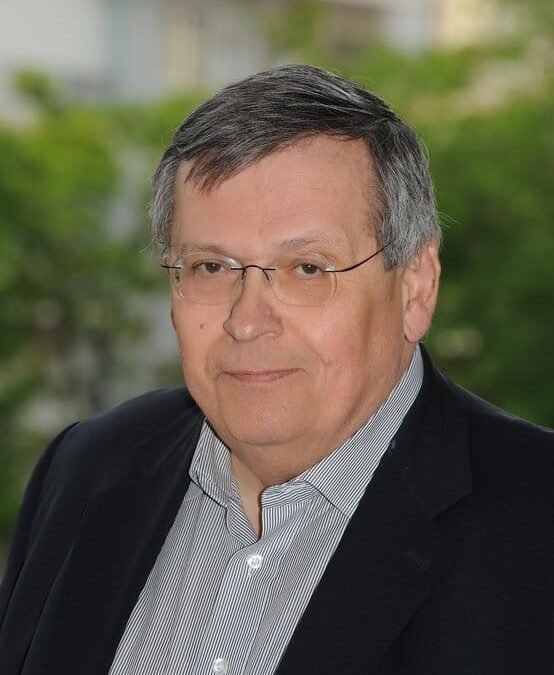
Stefanos Manos was a Greek economist and politician who served as a minister in the New Democracy government of Prime Minister Konstantinos Mitsotakis in the early 1990s, holding the portfolios of Finance and subsequently National Economy, and who became known as one of the most committed advocates of economic liberalisation and privatisation in modern Greek politics, earning both admiration from those who believed Greece needed radical economic reform and fierce opposition from those who resisted the changes his policies represented. He died in 2026 at an advanced age.
He was born in Greece and pursued academic and professional work in economics before entering politics as a member of the centre-right New Democracy party, the principal conservative political force in Greece founded by Konstantinos Karamanlis after the restoration of democracy following the military junta that ruled Greece from 1967 to 1974. Greek politics in the post-junta period was organised around the competition between New Democracy and the centre-left PASOK party of Andreas Papandreou, the two parties alternating in government across the 1980s and 1990s and representing different visions of Greece’s economic and social development.
His service as Finance Minister and Minister of National Economy under Mitsotakis from 1990 to 1993 placed him at the centre of the Greek government’s attempt to implement economic reforms that addressed the structural problems of the Greek economy, including a large public sector deficit, extensive state ownership of enterprises, rigid labour market regulations, and the patronage-based economic relationships that PASOK’s decade of governance had reinforced. The reform programme he pursued drew on the neo-liberal economic doctrines that were dominant in international economic policy circles in the early 1990s and that the IMF and the European Community were promoting across both Western and Eastern European economies as the conditions for sustainable economic growth and international competitiveness.
The political resistance to his reforms was intense, as the trade unions, public sector employees, and political clients of the state-owned enterprises threatened by privatisation mobilised against the changes, and the Mitsotakis government’s narrow parliamentary majority limited its ability to implement the most ambitious elements of the reform programme. His willingness to pursue unpopular policies that he believed were economically necessary gave him a reputation for intellectual integrity and ideological consistency that distinguished him from the more flexible politicians who adjusted their positions to the political winds, but it also made him a polarising figure in the Greek political debate.
He subsequently founded his own political party, Axiokratiki Kinisi (Movement for Democracy and Progress), in 1996 after leaving New Democracy, representing a more consistently liberal economic perspective than the broader centre-right coalition that New Democracy encompassed. The attempt to build a separate liberal economic party in the Greek political system, which has historically been dominated by the two-party competition between New Democracy and the various centre-left formations, had limited electoral success but reflected his commitment to articulating an economic liberal position within Greek politics.
He was remembered by Greek economists and political commentators as one of the most intellectually serious and consistent advocates of economic liberalisation in the history of modern Greek politics, a figure whose willingness to defend unpopular positions gave him a distinctive place in the political debate regardless of the limited electoral success of his independent political trajectory. He died in 2026.