
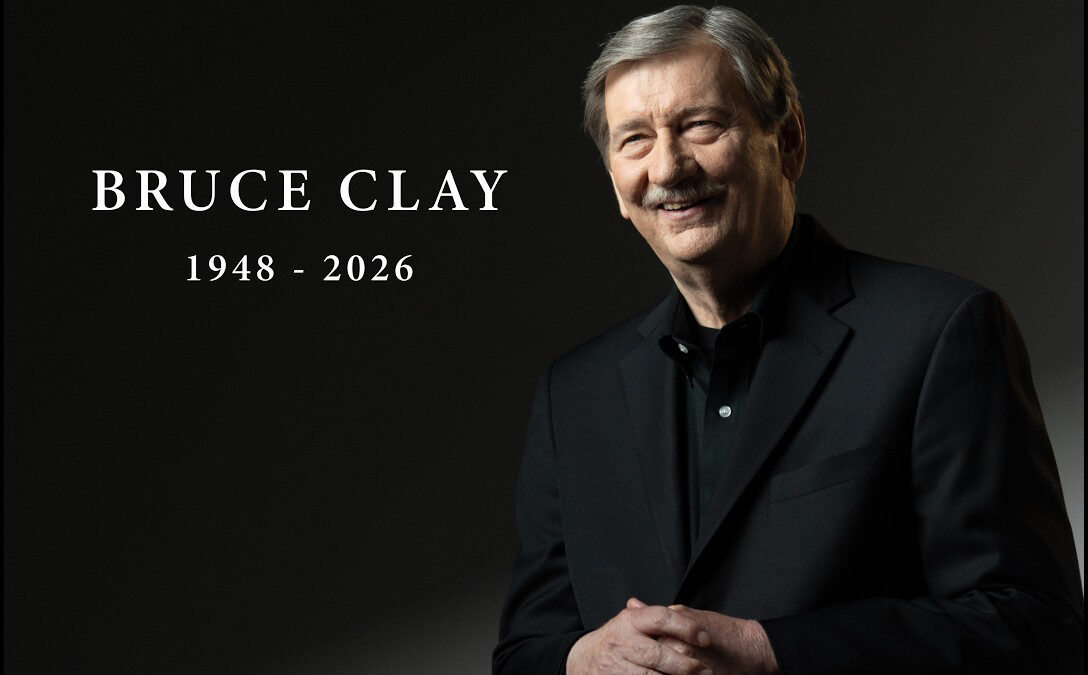
Bruce Clay was an American digital marketing strategist and entrepreneur who is credited with developing and popularising the concept and practice of search engine optimisation, creating the methodological frameworks and educational resources that defined SEO as a discipline from its early days in the mid-1990s through decades of evolution as search engines and the practices of digital marketing changed around it, earning him the title Father of SEO within the industry he had helped to create. He died on 25 June 2026 at the age of 78.
He was born Bruce Clay in 1947 and was working in technology and marketing in the mid-1990s when the early commercial internet was developing its fundamental infrastructure, including the search engines that would become the primary navigational tools through which internet users found the content and businesses they were looking for. The earliest web search engines including AltaVista, Infoseek, Lycos, and subsequently Google were developing their indexing and ranking algorithms in ways that created an immediate practical question for anyone trying to make a website visible to potential visitors: how could a website’s content and structure be arranged to improve its ranking in search results?
He was among the first practitioners to study this question systematically, to develop methodological approaches to optimising websites for search engine visibility, and to create the educational frameworks and training materials that allowed other practitioners to learn and apply SEO techniques. His founding of Bruce Clay, Inc. in 1996 created one of the earliest dedicated SEO consulting firms, and the training and certification programmes that his company developed, including the SEOToolSet, became industry-standard resources that trained generations of digital marketing practitioners across the following decades. His website BruceClay.com and the extensive educational resources it hosted became reference materials for anyone working in SEO, and his presentations at the major digital marketing conferences that developed alongside the growth of internet marketing helped establish the intellectual and practical foundations of the field.
The evolution of search engine optimisation from its early days in the mid-1990s through the Google-dominated era of the 2000s and 2010s and the subsequent changes brought by mobile search, voice search, and artificial intelligence presented constant challenges to practitioners whose techniques had to adapt to each new development in how search engines assessed and ranked content. He remained engaged with those developments throughout his career, updating his methodological frameworks and educational resources as the discipline evolved, and his continued participation in the field long after he could have retired reflected both his genuine intellectual engagement with the questions that digital marketing posed and his commitment to the educational mission that had been central to his professional identity since the beginning. He was 78 years old.